 delishing
How to Bake Juicy Chicken Breast in the Oven

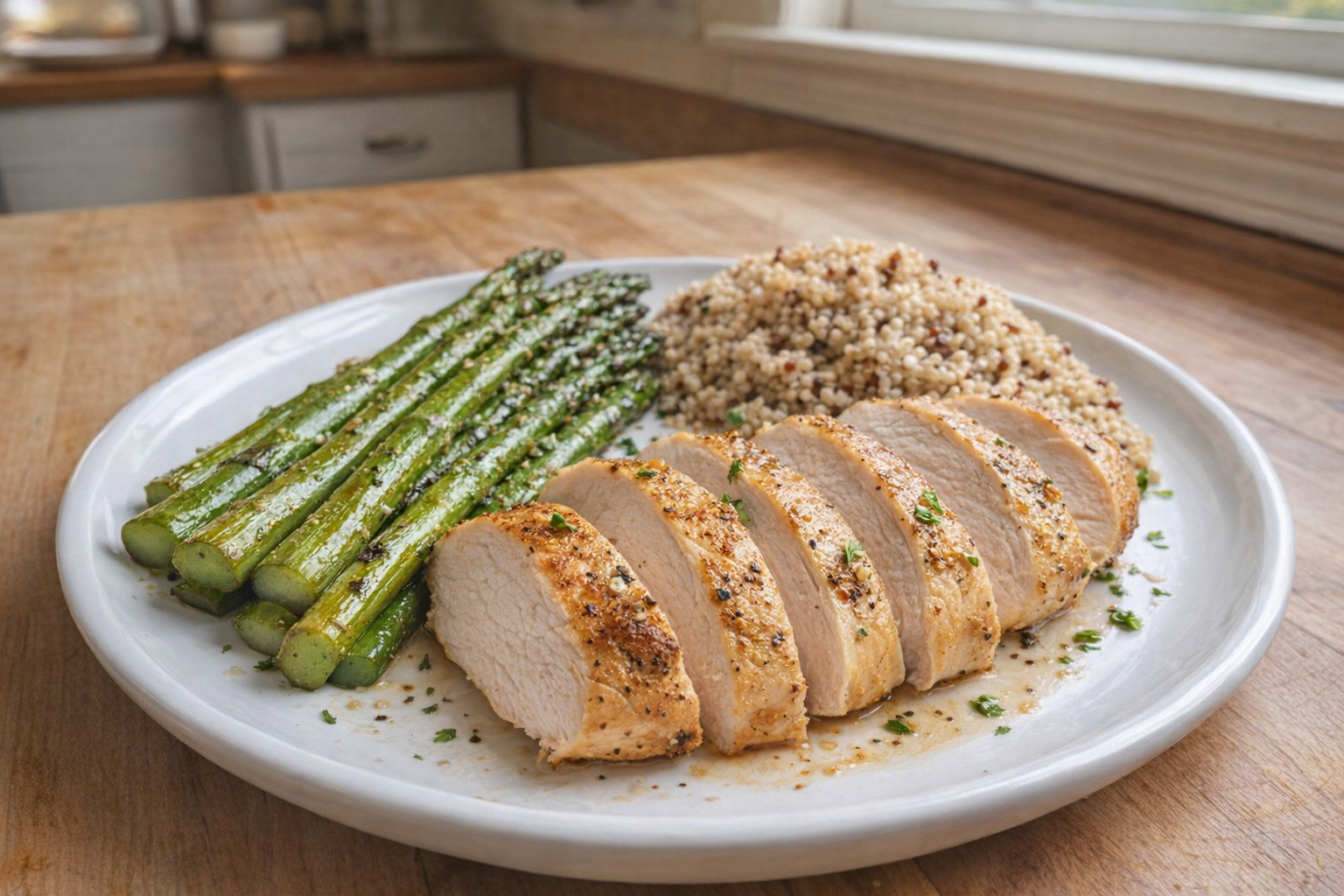
Oven-baked chicken breast is a weeknight staple, prized for its versatility and ease. When prepared correctly, it boasts a mild, savory flavor that acts as the perfect foundation for countless cuisines. The key lies in proper seasoning and cooking technique to ensure a tender, juicy result, avoiding the dry, bland reputation that often precedes it.
Baking chicken breast in the oven allows for even cooking and hands-off preparation. This method utilizes dry heat to cook the chicken thoroughly, while a simple spice rub infuses it with flavor. The higher temperature helps to seal in the juices, creating a more palatable and enjoyable eating experience.
Understanding Chicken Breast
Chicken breast is a lean protein source offering a mild flavor that adapts well to various seasonings and cooking methods. Boneless, skinless breasts are the most common and convenient choice for oven baking. When purchasing, look for breasts that are uniform in thickness to ensure even cooking. Smaller, similarly sized breasts will also help in estimating cooking time. Opt for air-chilled chicken when possible, as it tends to be less watery and more flavorful. Avoid breasts that appear pale or have excessive amounts of liquid in the packaging, as this indicates they may have been frozen and thawed improperly.
Why Cook Chicken Breast This Way?
- Versatility: Baked chicken breast is incredibly versatile, serving as a base for salads, sandwiches, pasta dishes, and more.
- Flavor: The blank canvas of chicken breast allows for endless flavor combinations through the use of different spice rubs, marinades, or sauces.
- Convenience: Baking is a hands-off cooking method, freeing you up to prepare side dishes or attend to other tasks while the chicken cooks.
Preparation (Mise en Place)
- Thawing: If using frozen chicken breasts, thaw them completely in the refrigerator overnight. Do not thaw at room temperature, as this can promote bacterial growth.
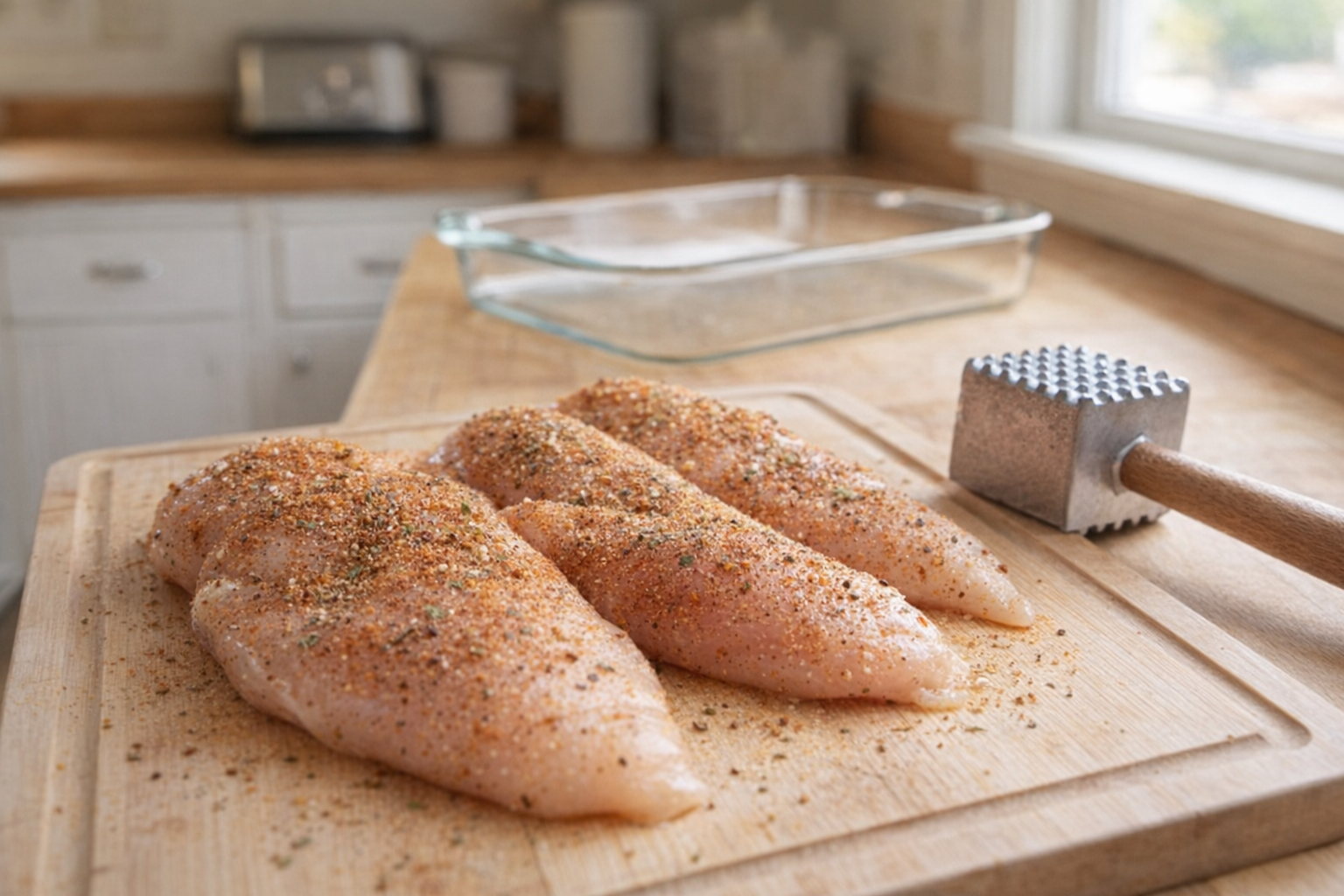
- Pounding (Optional but Recommended): Place the chicken breast between two sheets of plastic wrap. Use a rolling pin or meat mallet to pound the breast to an even thickness. This ensures uniform cooking and prevents the edges from drying out before the center is cooked through.
- Drying: Pat the chicken breasts dry with paper towels. This helps the seasoning adhere better and promotes browning in the oven.
Essential Tools
- Baking Dish: Use a glass or ceramic baking dish. The size should be appropriate for the number of chicken breasts you are cooking, without overcrowding.
- Meat Thermometer: An instant-read meat thermometer is crucial for ensuring the chicken is cooked to a safe internal temperature of 165°F (74°C).
- Rolling Pin or Meat Mallet: For pounding the chicken breasts to an even thickness.
The Cooking Method
Oven Baking Chicken Breast
This method focuses on achieving juicy, flavorful chicken breasts through a combination of high heat and a well-balanced spice rub.
Ingredients:
- 2 boneless, skinless chicken breasts (6-8 oz / 170-225g each)
- 1 tablespoon olive oil
- 1/2 tablespoon brown sugar
- 1 teaspoon paprika
- 1 teaspoon dried thyme
- 1 teaspoon Italian seasoning
- 1/4 teaspoon garlic powder
- 1/2 teaspoon salt
- 1/2 teaspoon black pepper
- Preheat the oven: Preheat the oven to 425°F (220°C).
- Prepare the seasoning: In a small bowl, combine brown sugar, paprika, dried thyme, Italian seasoning, garlic powder, salt, and pepper. Stir until well combined. The aroma of the dried herbs will fill the air.
- Coat the chicken: Lightly brush the chicken breasts with olive oil on all sides. This helps the seasoning stick and promotes browning.
- Season generously: Coat the chicken breasts with the spice rub, ensuring all sides and corners are covered. Press the seasoning into the chicken to help it adhere. The chicken should be completely coated and the spice mixture should cling firmly.
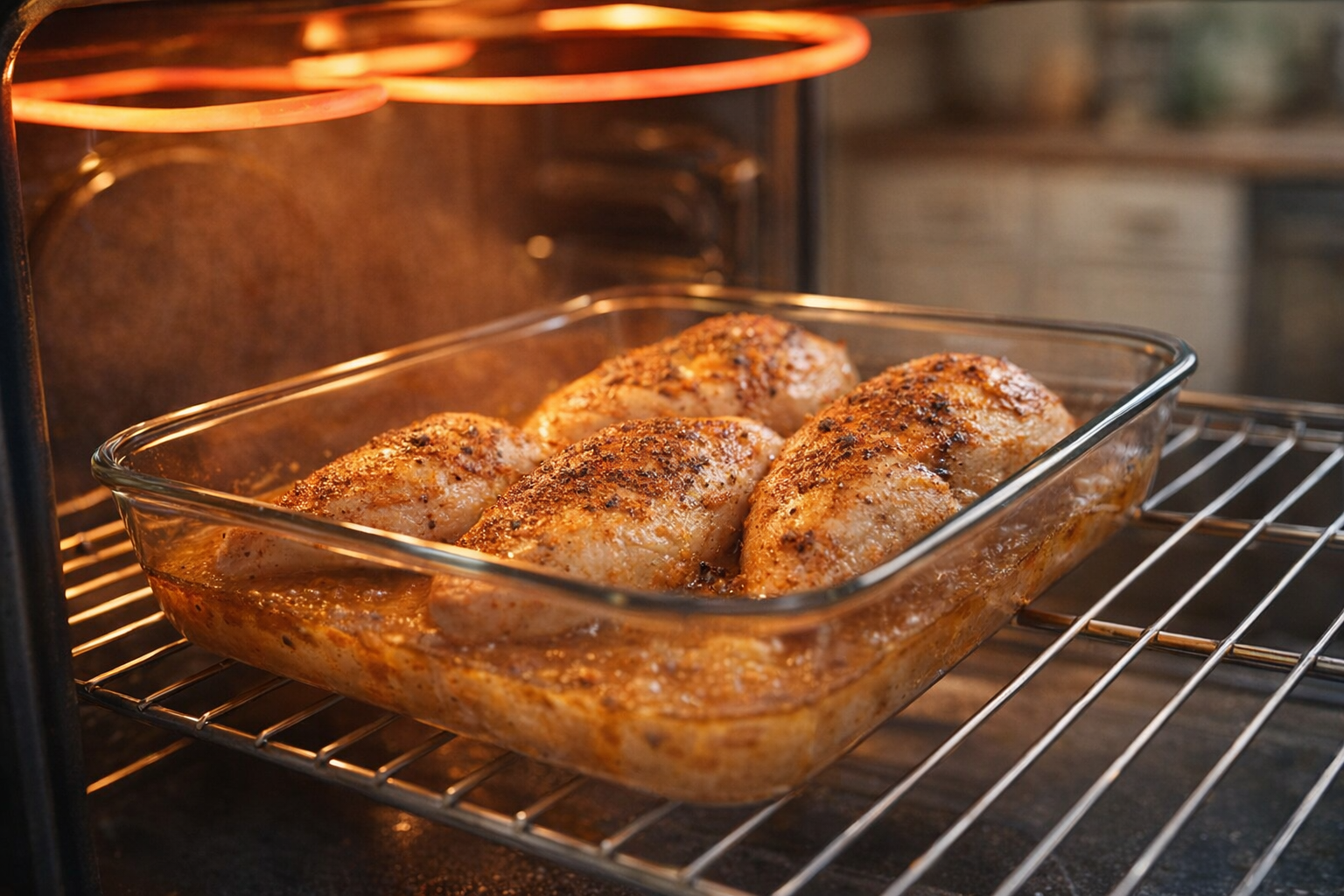
- Bake: Place the seasoned chicken breasts in a baking dish. Bake for 20-25 minutes, or until the internal temperature reaches 165°F (74°C). Halfway through, flip chicken to ensure even cooking.
- Rest: Remove the chicken breasts from the oven and let them rest for 10 minutes before slicing or serving. The resting period allows the juices to redistribute, resulting in a more tender and flavorful result. You'll notice steam gently escaping as the chicken rests.
Cooking Time & Doneness Guide
- Cooking Time: 20-25 minutes at 425°F (220°C), depending on the thickness of the chicken breasts. Use a meat thermometer to ensure accuracy.
- Internal Temperature: The chicken is done when the internal temperature reaches 165°F (74°C) in the thickest part of the breast.
Visual Cues
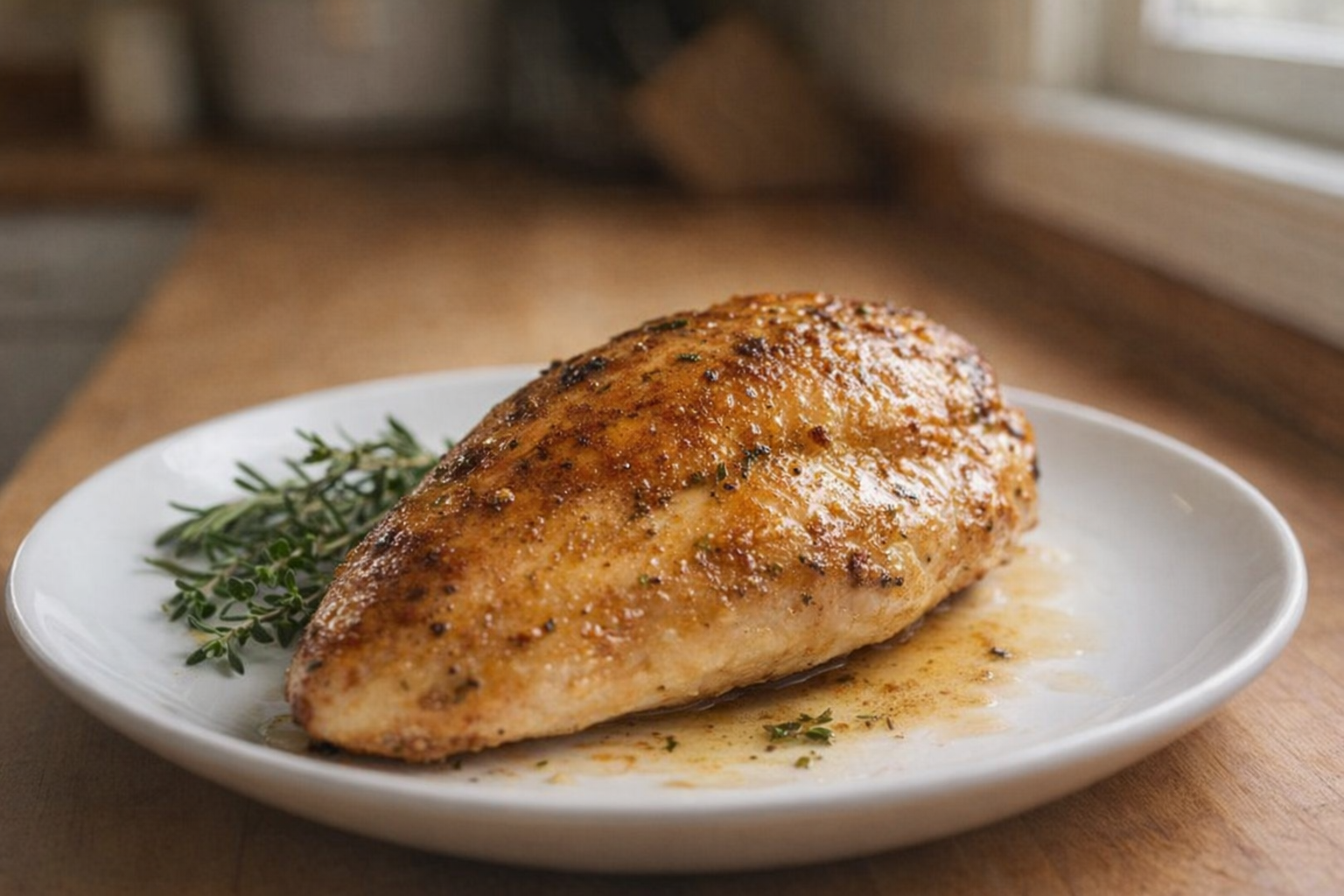
The chicken should be opaque throughout, with no pink remaining in the center. The surface should be golden brown with some browned bits from the spices. If you gently press on the chicken, it should feel firm but still have a slight give.
Tips for Perfection
- Don't Overcrowd the Pan: Overcrowding the baking dish can lead to steaming instead of browning. Use a large enough dish or bake in batches.
- Use a Meat Thermometer: Avoid guesswork by using a meat thermometer to ensure the chicken is cooked to a safe internal temperature.
- Rest the Chicken: Resting the chicken after baking is crucial for retaining moisture. Don't skip this step!
- Adjust Seasoning to Taste: Feel free to experiment with different spice combinations to find your favorite flavor profile.
Storage & Reheating
Storage: Store leftover baked chicken breasts in an airtight container in the refrigerator for up to 3 days. For longer storage, freeze the chicken for up to 1 month. Consider slicing, dicing, or shredding the chicken before freezing to make it easier to use later.Reheating: Reheat chicken breasts in the microwave, oven, or skillet. To prevent them from drying out, add a teaspoon of water or broth to the chicken before reheating and cover it with a lid or microwave-safe plastic wrap. Microwaving is fastest, but the oven or skillet will provide a more even heating.
Serving Suggestions
- Sliced on Salad: Top a bed of mixed greens with sliced baked chicken breast, your favorite vegetables, and a light vinaigrette.
- In Sandwiches or Wraps: Layer sliced chicken breast with lettuce, tomato, and your favorite condiments in a sandwich or wrap.
- With Roasted Vegetables: Serve baked chicken breast alongside roasted vegetables such as Brussels sprouts, asparagus, or sweet potatoes for a complete and balanced meal.
- In Pasta Dishes: Add diced or shredded chicken breast to pasta dishes with marinara sauce, pesto, or Alfredo sauce.
💡 Pro Tips
- Pound the chicken breasts to a uniform thickness using a meat mallet to ensure even cooking and prevent the thinner ends from drying out.
- Apply a light coating of olive oil before adding your spice rub to help the seasonings adhere and create a moisture-locking seal.
- Use an instant-read meat thermometer to remove the chicken from the oven as soon as it reaches an internal temperature of 165°F.
- Allow the chicken to rest for five to ten minutes after cooking so the juices can redistribute before slicing.
- Pat the meat dry with paper towels before seasoning to ensure the surface gets a better sear and holds onto the spices.
Frequently Asked Questions
While thawing in the refrigerator overnight is the safest method, you can quick-thaw chicken breasts in a sealed bag submerged in cold water, changing the water every 30 minutes. However, be sure to cook the chicken immediately after thawing using this method to prevent bacterial growth.
Yes, you can still bake juicy chicken without a meat mallet. While pounding helps even out the thickness, you can simply ensure the chicken breasts are as uniform as possible and monitor the cooking time closely, removing thinner breasts earlier if needed to prevent overcooking.
Allow the cooked chicken breast to cool completely before storing it in an airtight container in the refrigerator. Properly stored, cooked chicken breast will last for 3-4 days. Make sure to reheat it thoroughly before consuming.
Yes, you can use bone-in, skin-on chicken breasts, but the cooking time will need to be adjusted and will likely be longer. Use a meat thermometer to ensure the chicken reaches an internal temperature of 165°F (74°C) in the thickest part, avoiding touching the bone.